



Seasonal produce calendar
- Home
- CUISINE
- SEASONAL PRODUCE CALENDAR
- FISH AND SEAFOOD

Fish and seafood seasonal

Select a month to view seasonal produce
Winter
Spring
Summer
Autumn




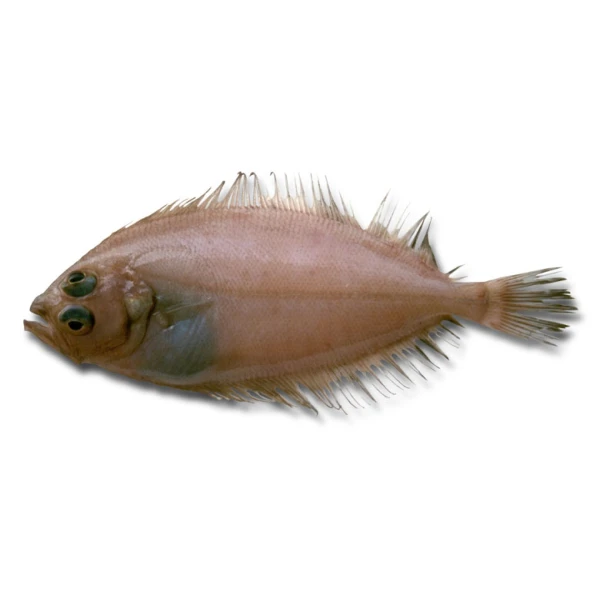

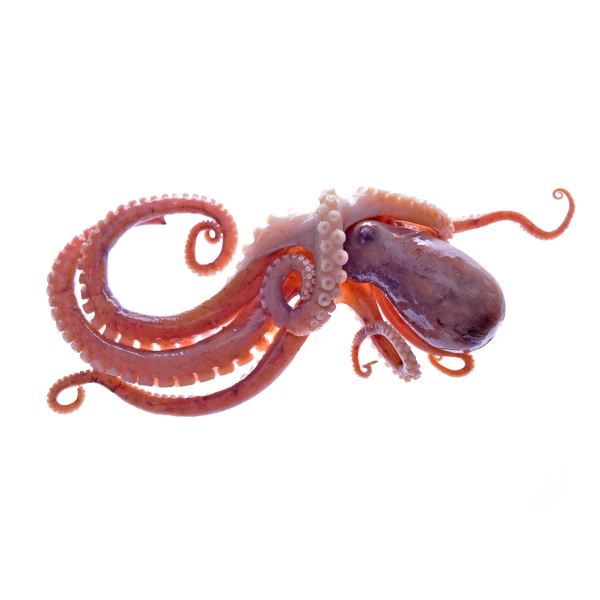
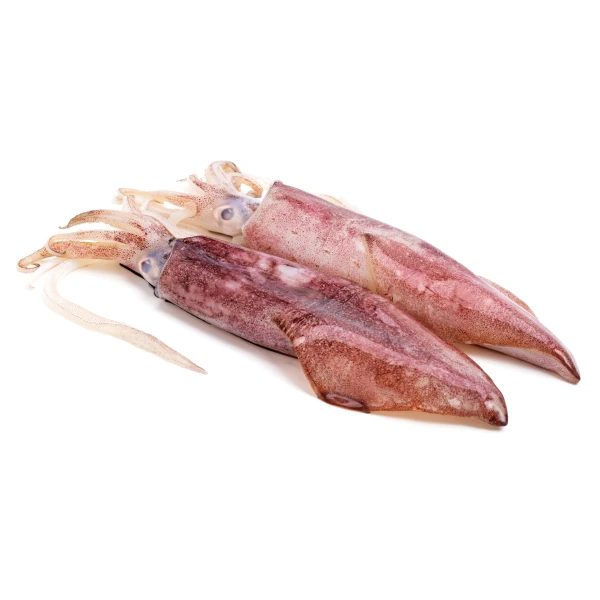


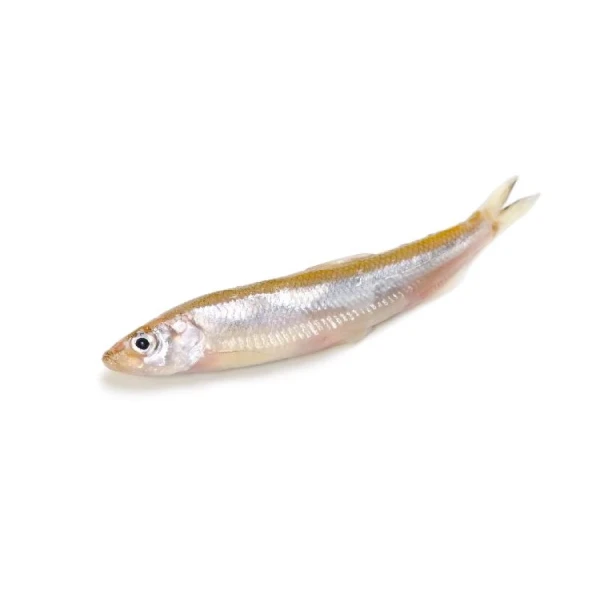



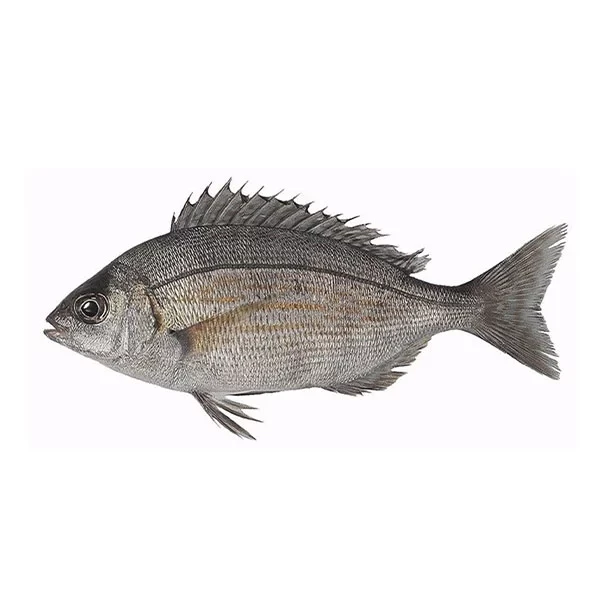
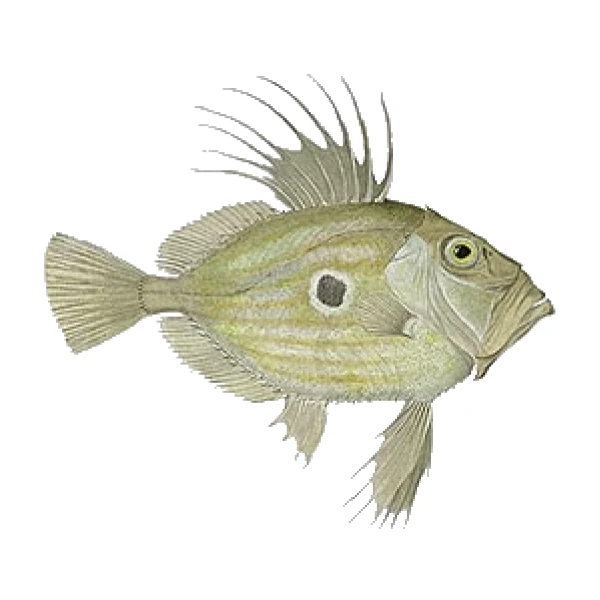

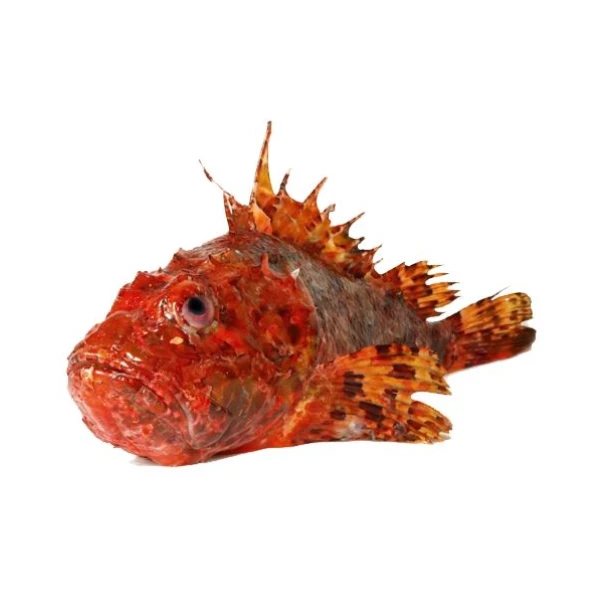

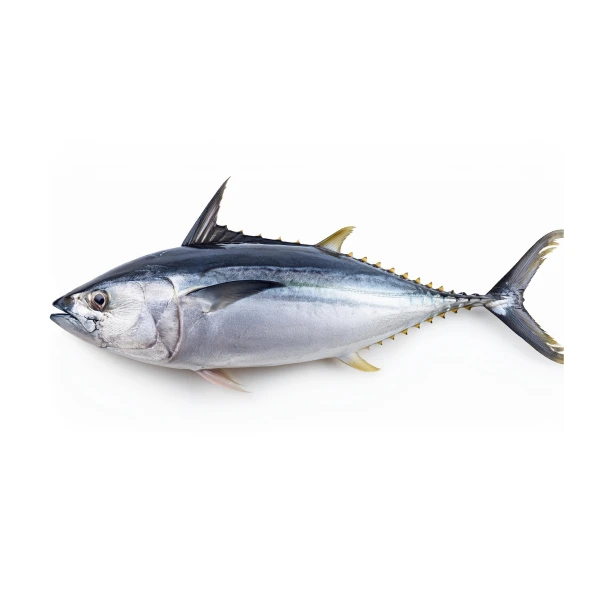
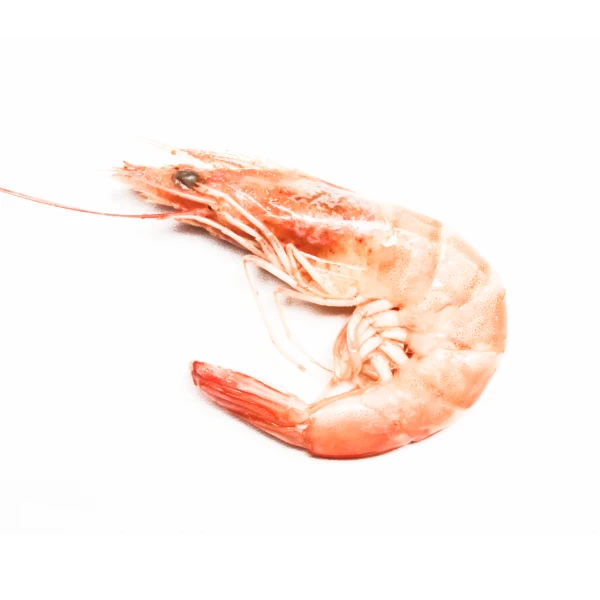
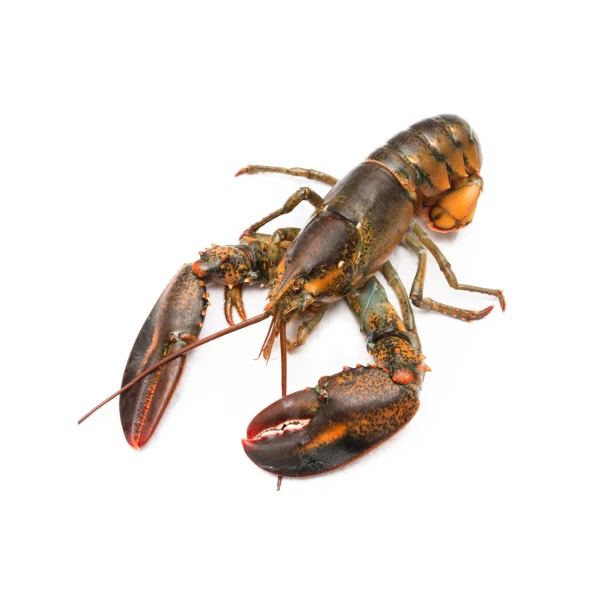


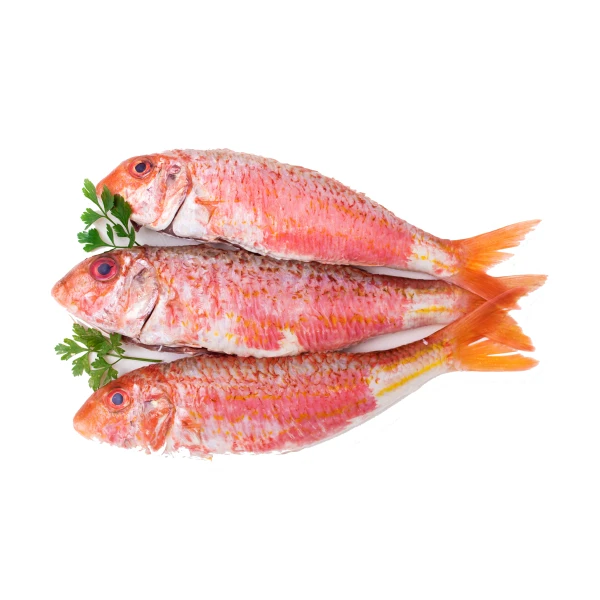

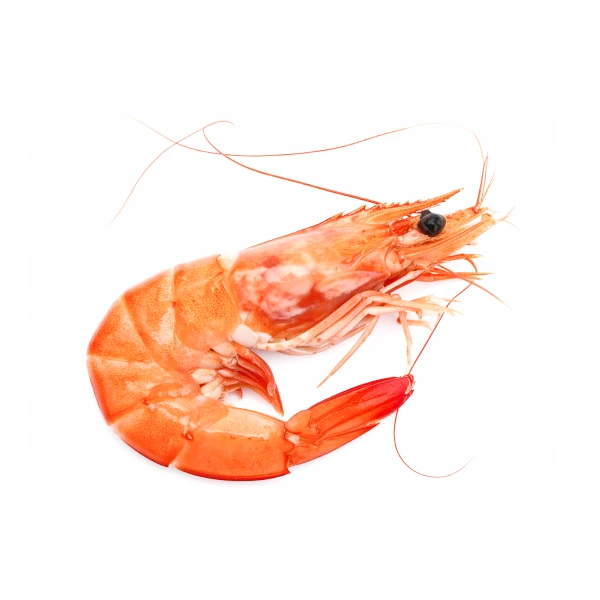

Why eat fish and
seafood seasonal?
Respect for Reproductive Cycles (Vedas)
This is the most important argument from an ethical and ecological point of view.
1. Species protection
Every species has its own spawning season. Eating fish in season ensures that we are not interfering with the time when stocks are replenishing themselves.
2. Minimum sizes
By respecting the season, we ensure that the fish has had time to grow and reproduce at least once before being caught.
Quality of the food
The biological condition of the fish directly influences how it tastes on your plate.
1. Optimal fat content
Before spawning, fish build up fat reserves (omega-3). It is at this stage that their flesh is at its most flavourful and succulent. A fish that has just spawned is usually leaner, with softer flesh and less flavour.
2. Seasonal feeding
The flavour of seafood, such as prawns or lobsters, varies depending on the availability of plankton and nutrients in the water at certain times of the year.
Reduction in intensive trawling
Seasonality encourages the use of smaller, more selective fishing gear.
1. Artisanal vs. Industrial
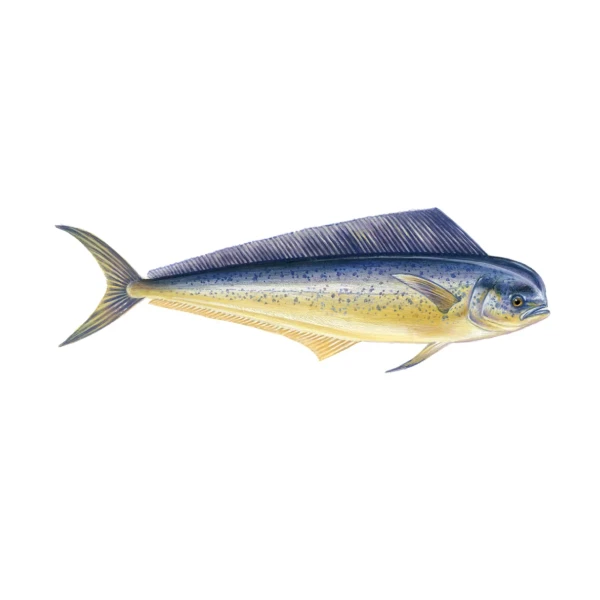
Many seasonal species (such as ‘Raor’ in September or ‘Llampuga’ in autumn in the Balearic Islands) are caught using traditional methods that cause far less damage to the seabed than the large trawl nets that operate all year round.
2. Fewer discards
By fishing for what is abundant at that time, there are fewer accidental catches of species that are subsequently returned dead to the sea.
Maximum Freshness and Less Handling
Seasonal fish is usually locally sourced (zero-mile).
1. Short cold chain
Seasonal fish reaches the fish market within hours. Fish sold out of season is usually sourced from distant fishing grounds (frozen or chilled for days) or requires chemical processing to maintain its ‘fresh’ appearance.
2. No preservatives
The use of sulphites and other additives needed to extend the shelf life of seafood that travels thousands of kilometres is avoided.
The price: The democratisation of luxury
The sea is unpredictable, but when a particular species is in abundance, the price drops dramatically.
1. Natural surpluses
At the height of the ‘Mollera’ or ‘Esparrall’ season, the price per kilo is a fraction of what an imported fish or a species out of season would cost.
2. Variety in the diet
Forcing yourself to eat whatever is available each month allows you to discover lesser-known but exquisite fish that we normally ignore in favour of farmed salmon or sea bass.
Where can I buy fish and seafood seasonal?
-
Every Sunday, from 8am to 1:30pm, Mercat de Pollença transforms the town’s old quarter into a lively place to shop; a long-standing tradition. With more than 300 market stalls, it offers a wide range of fruit, vegetables, cured sausages, cheese, footwear, handicrafts and fabrics. Its authentic atmosphere, surrounded by history and mountains, makes it one of the most popular markets in the north of Mallorca.
-

MALLORCA
Mercat de Pollença
-

MENORCA
Mercat des Peix de Ciutadella
-

IBIZA
Mercat de Foradada
-

MALLORCA
Mercat de Santa Catalina
-

MALLORCA
Mercat de Santa Maria del Camí