



- Home
- LOCAL PRODUCT
- What is a local product?
What is a local product?
The soul of our land on your plate
Local produce is not just a label; it is a direct link to the farmer who understands the rhythm of the rain and the fisherman who knows the secrets of the Mediterranean. Choosing produce from the Balearic Islands means savouring the landscape, preserving our traditional crafts and ensuring that tomorrow remains as rich and diverse as what we find on our table today. It is unfiltered authenticity: from the countryside to the palate, in all its truth.
-

Identity
The flavour of local varieties and local expertise
-

Sustainability
We bridge the gap, we keep the countryside alive
-

Quality
The freshness that only nature’s own rhythm can provide.
-

Commitment
With the landscape, culture and future of the Balearic Islands.
-

Legacy
The heritage and wisdom of the islands’ farmers, livestock breeders, fishermen, craftspeople and chefs.
-

Eating locally is an act of resistance and celebration. It is the luxury of Balearic simplicity.
Local produce, seasonal availability and character
In the Balearic Islands, the local cuisine is defined by produce that speaks our language. We’re talking about true ‘zero-kilometre’ produce: food harvested at the peak of ripeness, respecting natural cycles and minimising the environmental footprint.
When you choose local produce, you’re not just buying exceptional quality; you’re supporting the circular economy of our archipelago and protecting the culinary heritage that makes us unique in the world.
Locally sourced, island by island
-
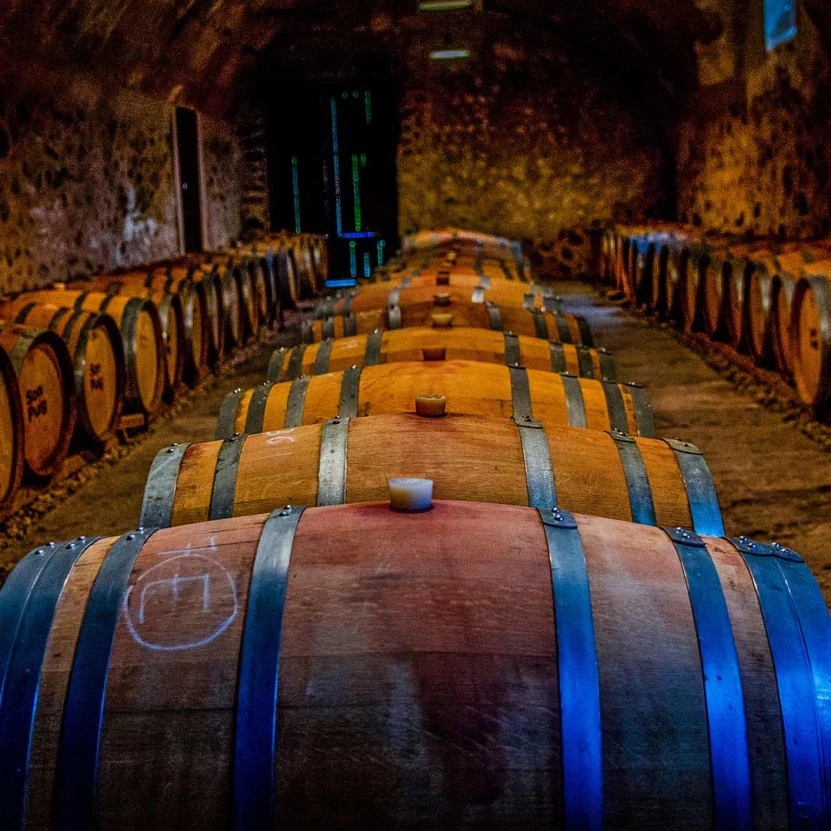
Mallorca
The heartbeat of the land and the mountains.
So much more than just sobrasada and ensaimada. Mallorca is the extra virgin olive oil produced from the ancient olive trees of the Sierra de Tramontana, the almonds that blanket the landscape in white in January, and wines full of character, grown under the sun of the Plan and Levante regions. A mosaic of flavours that brings together the sea and the mountains in every bite.
-
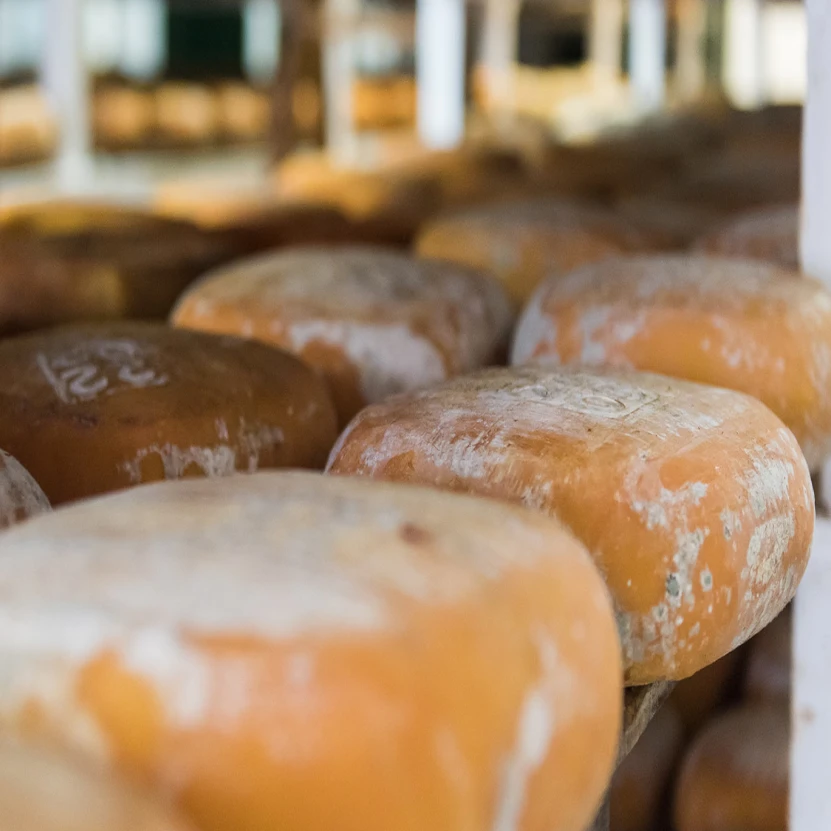
Menorca
The flavour of a Biosphere Reserve.
In Menorca, the cuisine is all about natural balance. From the renowned Maó-Menorca cheese, with its hint of Mediterranean salt, to wildflower honey and craft beers. Here, local produce is the key to keeping the island green and protected, just as we know it.
-
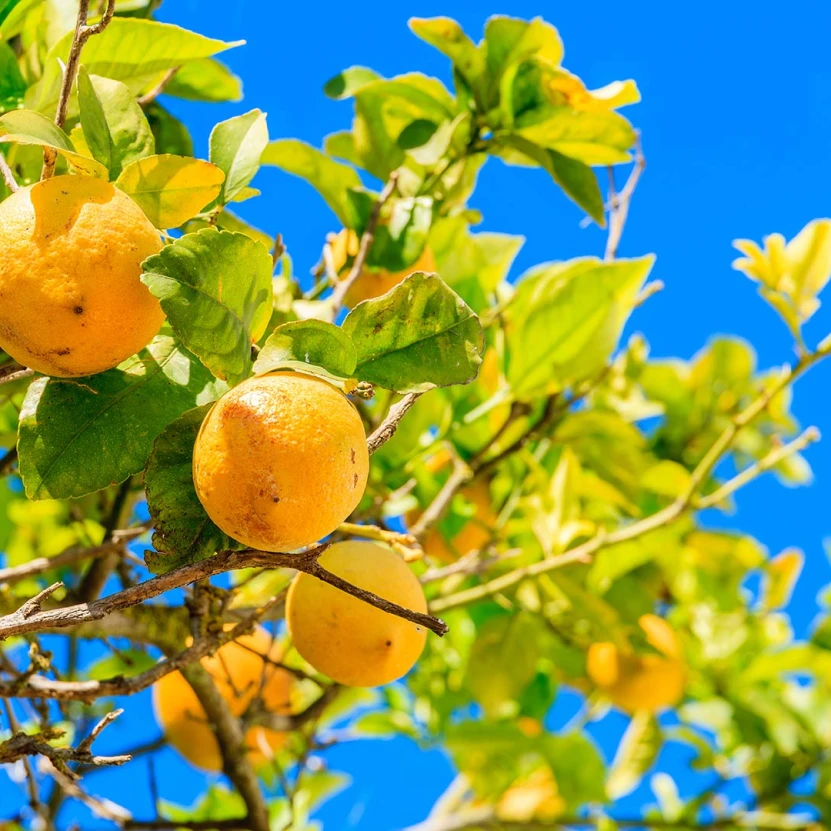
Ibiza
The essence of the vegetable garden and the sea.
Ibiza is a blend of rural tradition and innovation. From Ibizan olive oil and Ibizan herbs to the delicious *flaó, the island’s certified products are the result of a firm commitment to sustainability. Authentic ingredients that nourish both body and soul in a stunning setting.
-
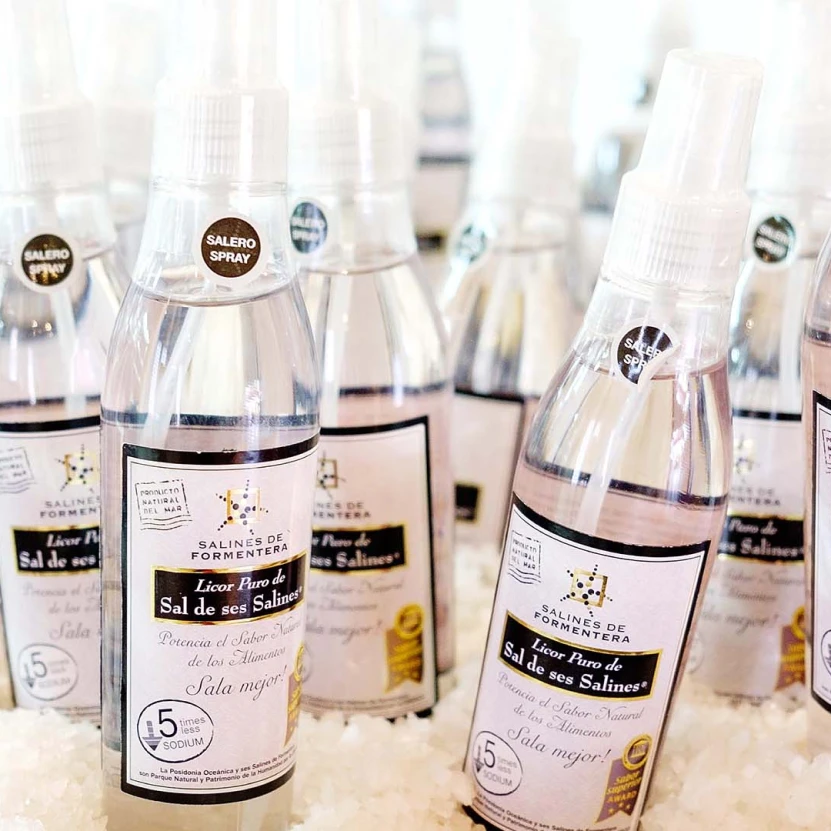
Formentera
The last haven of slow food.
Formentera proves that top-class cuisine can be created with minimal resources. The wisdom of the sea is encapsulated in its famous dried fish, whilst dried figs and liquid salt speak of an island that knows how to live in harmony with nature’s rhythm. A cuisine that is authentic, unhurried and unforgettable.
Why buy local produce?
A commitment to the present and the future.
Choosing local produce means supporting a fairer, healthier and more sustainable model, which benefits both the local community and our visitors.
Sustainability and the Environment
Reducing the carbon footprint.

As these are locally sourced products, emissions from sea or air transport are kept to a minimum.
Landscape conservation.
Consuming local produce keeps farming and livestock farming alive, preventing the countryside from being abandoned and preserving the traditional landscape (such as the "Marjades" of the Sierra de Tramontana or the fields of Menorca).
Fire prevention.
A well-maintained and clear field is the best natural defence against fire.
Biodiversity.
The cultivation of native varieties that are often overlooked by global commercial markets (such as the *ramellet* tomato, the Mallorcan almond and the black pig) is encouraged.
Economy and Society
Support for the primary sector.

It guarantees the survival of local farmers, fishermen and artisans, preventing the economy from becoming overly dependent on tourism.
Population stability.
It helps to keep the villages in the interior and the ‘Outer Region’ alive by creating stable, high-quality jobs.
Food sovereignty.
It reduces dependence on imports (which currently account for around 90% of our consumption).
Circular economy.
The money invested stays on the islands, circulating amongst local businesses rather than going to large multinationals.
Health and Quality
Maximum freshness.

The produce goes from the garden to the table in just a few hours, retaining all its nutritional value, vitamins and natural flavour.
Seasonal products.
Eating seasonal produce is healthier and respects the earth’s natural cycles.
Fewer additives.
As there is no need to endure long journeys or prolonged storage, fewer preservatives and post-harvest treatments are used.
Traceability and safety.
We know where our food comes from and who has produced it, often under Denominations of Origin (DO) or Protected Geographical Indications (PGI) that certify its quality.

