



- Home
- LOCAL PRODUCE
- DESIGNATIONS AND BRANDS
- PROTECTED GEOGRAPHICAL INDICATION ‘OLI D’EIVISSA’
Protected Geographical Indication ‘Oli d’Eivissa’
Protected geographical indication
 Protected geographical indication
 Protected geographical indication
 Protected geographical indication
 Protected geographical indication
 Protected geographical indication
 Protected geographical indication
Every drop of this olive oil celebrates Ibiza’s culture, offering a truly remarkable dining experience.
With its distinctive taste and painstaking production process, this product is appreciated by chefs and foodies alike. Extra virgin olive oil with Protected Geographical Indication (PGI or IGP), extracted exclusively by mechanical methods from olives grown in Ibiza.
‘Oli d’Eivissa’ is an extra virgin olive oil extracted exclusively using mechanical processes from the fruit of the olive tree. This oil, with intense shades of green and balanced flavours, is characterised by a light-to-medium bitterness and tanginess. The Protected Geographical Indication ‘IGP Oli d’Eivissa’ is reserved for olive oil made with the varieties Arbequina, Picual and Koroneiki, either alone or combined, representing at least 90% of production. The remaining 10% comes from other permitted varieties.
The connection between Oli d’Eivissa and the land it comes from is clear. Oil production in Ibiza dates back to 450 BC, with historical references highlighting its economic and cultural significance. In the 3rd century BC, the island had 23 farms producing between 30,000 and 60,000 litres of olive oil. Historical documents, such as the Llibre del mostassaf d'Eivissa (1398) and the Royal Ordinances of the University of Ibiza (1663), mention the sale and export of olive oil, underlining its importance.
Archduke Ludwig Salvator of Austria, in his work Las antiguas Pitiusas (1869), highlighted the quality of the olive oil from Ibiza, obtained using ancient Arab methods. The island's geoclimatic conditions, such as its chalky soils and long hours of sunshine, are ideal for olive cultivation as they contribute towards the high content of polyphenols and aromatic components in the oil.
Oli d’Eivissa undergoes a thorough traditional production process. The olive trees are planted on plains less than 300 metres above sea level, protected by mountains and subjected to controlled water stress to improve the quality of the fruit. Harvesting takes place between September and December, when the olives are green and lightly pigmented, ensuring a low-acidity, high-quality oil.
Ibiza's olive mills, many of which are centuries old, play a crucial role in production. After a strict selection process, the olives are washed and cleaned before grinding. The oil is extracted by centrifugation and stored where no light or air can get to it, preserving its freshness and sensory properties.
Oli d’Eivissa has established a solid reputation, appreciated by food lovers, chefs and experts for its exceptional taste and health benefits. This reputation has been documented for more than 200 years, with historic references praising its quality and rating it among the best olive oils in Spain.
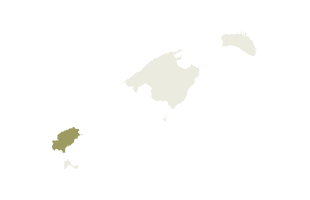
Ibiza


